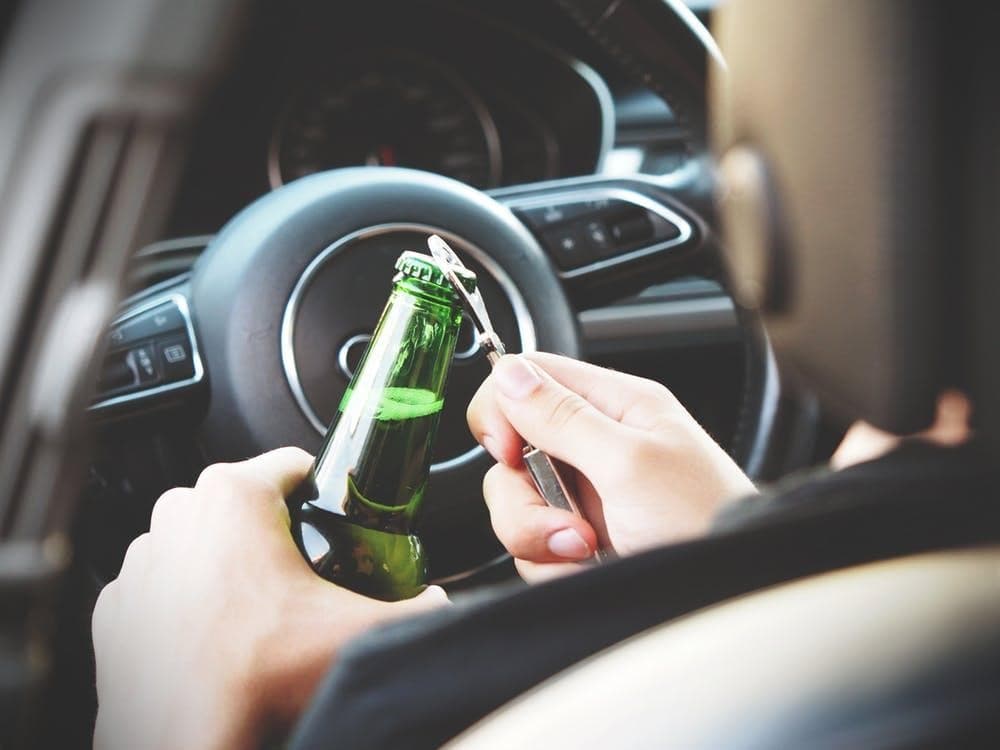
Drink drivers in NSW face significantly harsher penalties following new legislation. Understanding NSW’s drink driving limits is crucial for all road users to avoid severe consequences. PK Simpson can assist if you’re involved in an accident with a drink driver.
Blood Alcohol Concentration Limits
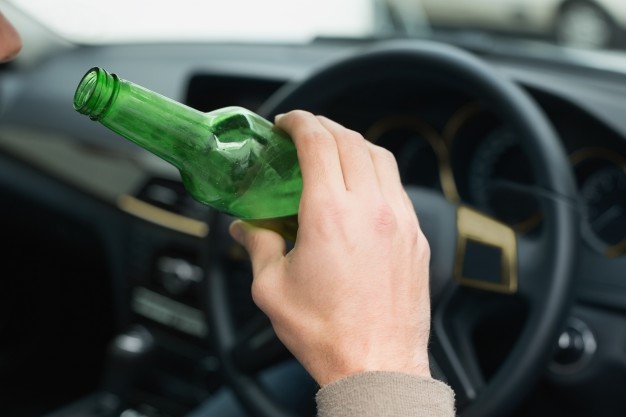
To drive a vehicle legally in NSW, there are various levels of blood alcohol concentrations permitted ranging from nil for learner and provisional drivers to 0.2 and 0.5 for those with full licenses depending on their class of licence. The following list shows the limits for all licence classes. Drivers must stay below these limits:
| Licence Class |
Limit |
| Learner (L) plate |
0.00 |
| Provisional (P1, P2) |
0.00 |
| Full licence (car or motorcycle rider) |
Under 0.05 |
| Drivers of public passenger vehicles – taxi, bus, etc |
Under 0.02 |
| Drivers of coaches/heavy vehicles (over 13.9 tonnes GVM or GCM) |
Under 0.02 |
| Drivers of dangerous goods vehicles |
Under 0.02 |
| Interstate or overseas drivers fully licenced |
Under 0.05 |
Drugs, Both Illegal and Legal
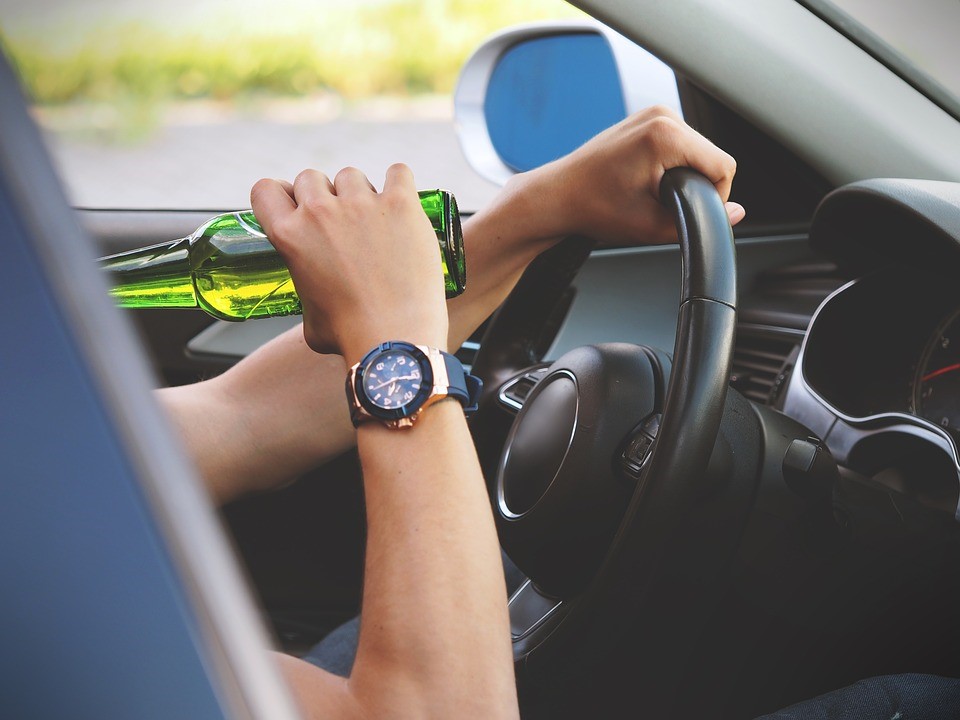
It is highly dangerous for vehicle drivers and motorcycle riders to take any kind of stimulant and any illegal drugs. Marijuana (cannabis), cocaine, crystal methamphetamine (ice) and similar drugs will make you unfit to drive by affecting your concentration, coordination and skills, even if you might believe you’re driving perfectly well. Roadside Mobile Drug Testing (MDT) by NSW Police operates with Roadside Breath Testing (RBT) for alcohol. Police are increasing the use of MDT, with the numbers of drug tests set to reach 200,000 in NSW by 2020.
Prescriptions And Over-the-Counter Drugs
There are many prescription drugs and those sold over the counter that can affect your ability to drive safely, therefore making you unfit to drive. These drugs can have an effect on your concentration, coordination and mood, plus your eyesight, and cause you to react much slower whilst driving. You should never drive if you are taking any medication that has a warning on the label says you cannot drive whilst taking the drug.
Medicines that affect driving:
- Tranquillisers, sleeping pills and sedatives
- Some painkillers
- Some cold and flu medications
- Medicines for allergies, blood pressure, nausea, inflammation, fungal infections
- Some diet pills
If If you are taking any medications, always ask your doctor or chemist if you should drive while taking them.
Reducing Your Risk
Other ways of reducing your risk of accidents or being charged for drug driving offences:
- Don’t drive if you take a medication that can affect your ability to drive safely
- Always read the information and labels on the medication
- Don’t EVER take someone else’s prescription medication – it could affect your driving and your health
- Don’t drink alcohol or illegal drugs with prescription medications
- Don’t drive if you’ve missed a dose of a medication that controls symptoms that could affect your ability to drive safely
- Take the exact amount of medication prescribed unless recommended by your doctor
- Arrange other transport – a cab, a friend or relative or use public transport
- Never drive unless you’re fit to do so.
References:
https://www.rms.nsw.gov.au/roads/safety-rules/demerits-offences/drug-alcohol/drug-alcohol-offences.html
For more information on car accident claims and how they may be affected by drink driving, contact PK Simpson personal injury lawyers.